Natalie’s Story
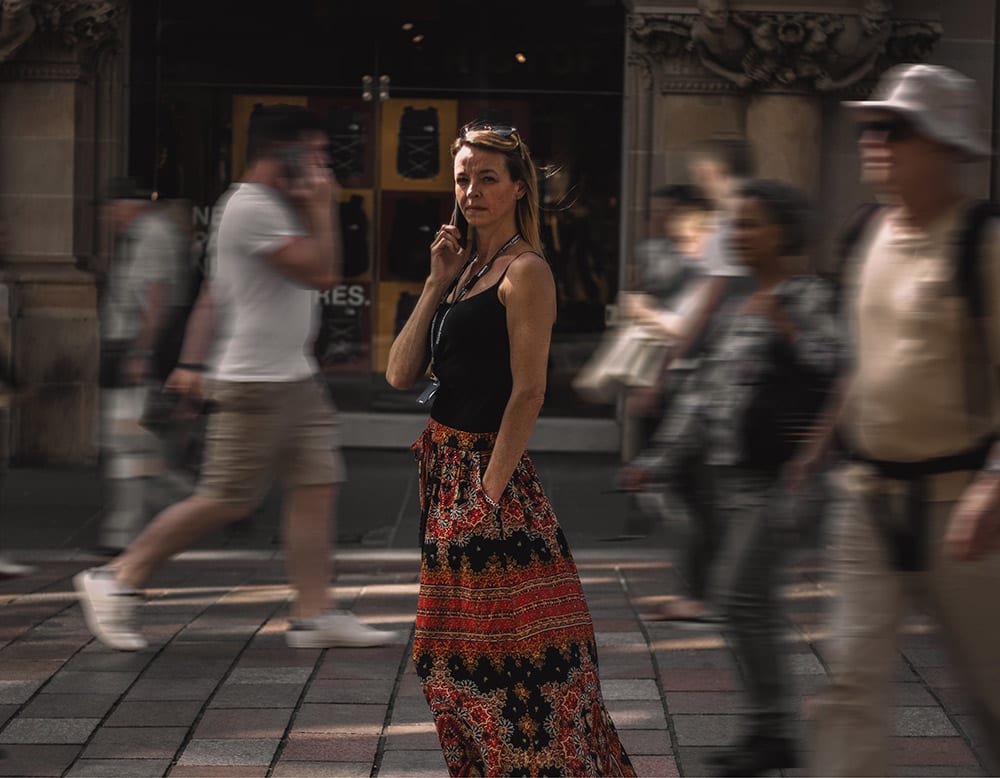
What they see is a label… they don’t see that it’s someone’s child
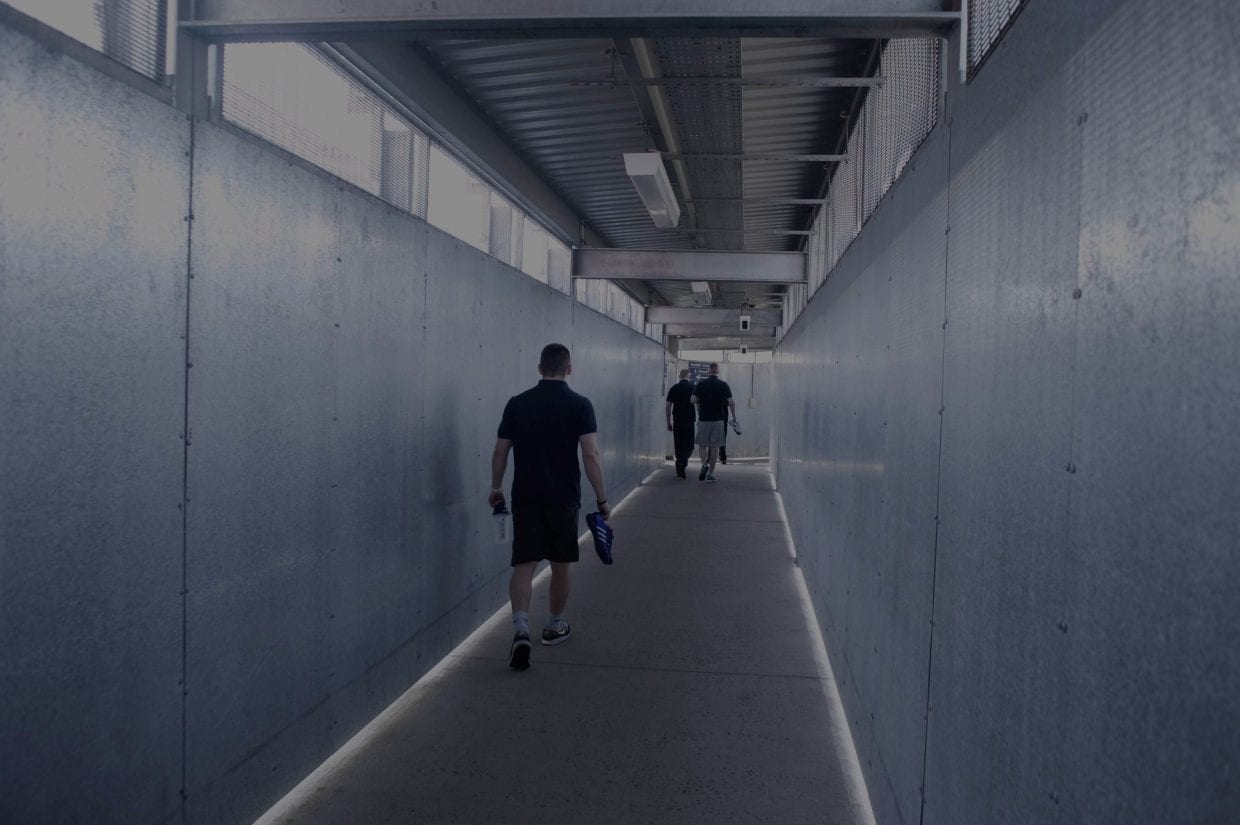
Natalie is a non-nonsense, passionate Mentor who supports people with complex needs and trauma. She runs the addictions Recovery Cafés in HMP Barlinnie and HMP Shotts. Both are a safe space that provide hope, support and aspiration in the harshest of environments to people who need it most.
View transcript
“My guys will phone me 10, 15, 20 times a day maybe to ask me how do you fit a light bulb, how do I register with a doctor, or how do I get a dentist appointment and these things to us that are very small and we would know them because we have grew up in quite a stable environment. People have grown up in disfunction never having gone to a dentist before or registered with a doctor. This is the questions that my guys will phone me up and ask me.”
“I am Natalie logan-Maclean, I am the Director of service for Sisco Recovery and I work in partnership with the Scottish Prison Service (SPS). I made a calculated decision in 2011 to make a difference in the world and I didn’t know what the difference was going to be. I started to learn about addiction through my lived experience. I started to apply myself to courses and put myself through university. I educated myself in psychology and I was approached in 2014 by the SPS and they asked me to do a recovery initiative in prison.”
“We didn’t know what it was going to look like or what the outcome was going to be and at that moment in time, I knew that my purpose in life was to advocate for prisoners. And what we are is an information service, a resource service and it offers individuals an opportunity to engage in sustainable methods for recovery and to look at what does harm reduction look like to them. We support all ages, we don’t have a post code lottery or a criteria. We have individuals just now as young as 22 and as old as 69. Many of the individuals are dealing with complex needs and trauma and I mean grass-rooted trauma that’s going back to their childhood and that was one of the reasons we opened the café because it was to be a safe environment where people could become vulnerable and sit with like-minded people and talk about trauma, mental health, addiction, family issues, all under the one banner.”
“I can’t say what success in Scotland looks like just now, because I don’t think we have success in Scotland in the field that I work in as a professional. I think that our success rates are very, very poor. I think the government are not to blame. I think society all needs to come together and step up and realise we can’t point the fingers and blame at government or policy makers because for such a long time, society stigmatises people that are caught up in addiction. What they see is a label and they don’t see that someone’s child in that one day could be my child. Scotland has a lot of work to do. I think that Scotland services need to stick together instead of standing apart. I think services in Scotland is very much them and us. Everyone wants outcomes and statistics, but what they don’t realise is by working together we get the best outcome and statistics and that is people in Scotland becoming better, becoming well, becoming recovered, dealing with their adverse childhood trauma, being counselled and supported. Scotland doesn’t look good to me right now.”